
-
(65) 9924-39173
-
-
The Pantanal is one of the most extraordinary ecosystems on the planet.
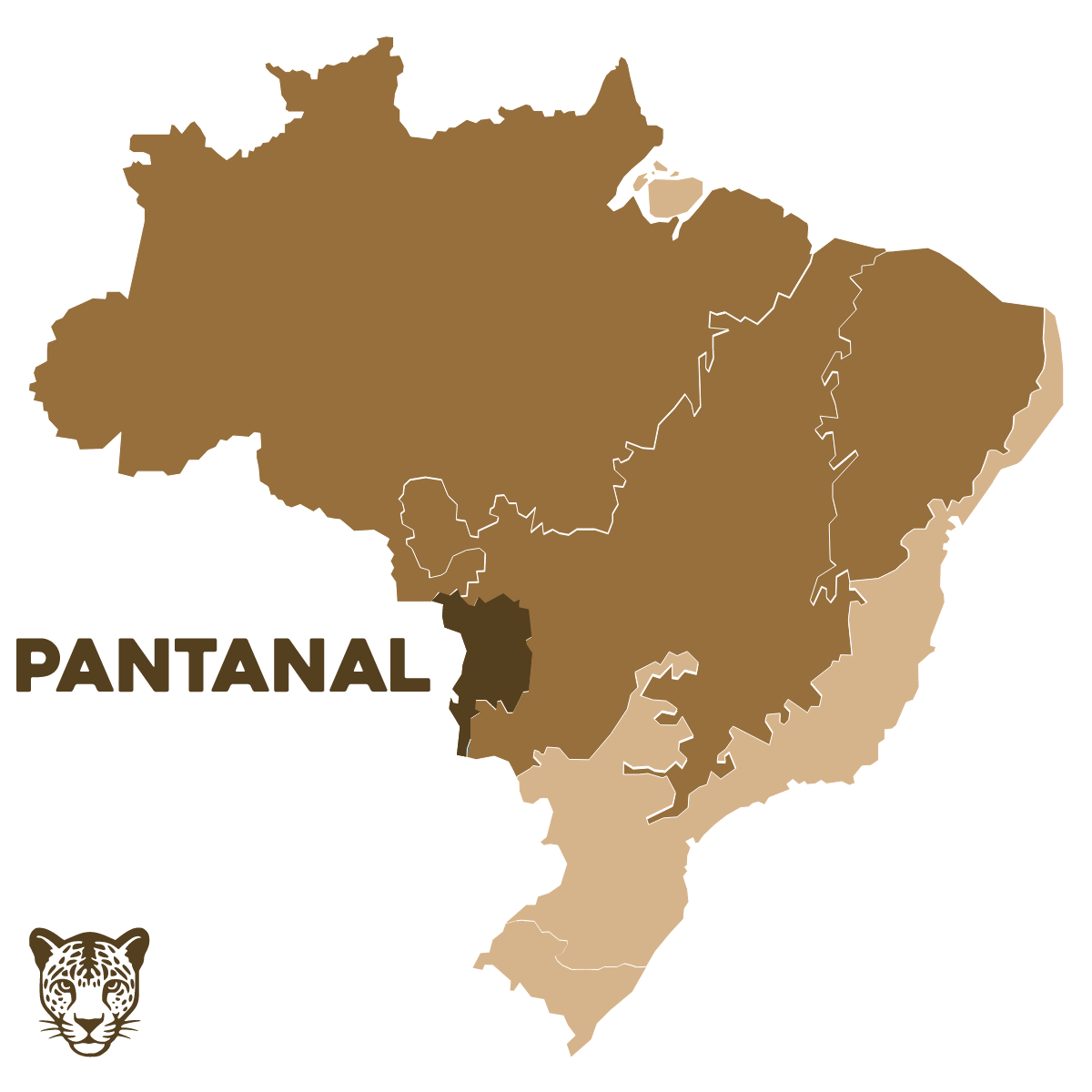
Covering approximately 150,000 km2, this vast floodplain hosts one of the greatest concentrations of wildlife in the Americas and stands as a true natural sanctuary for observing animals in the wild.
Located in the heart of South America, the Pantanal is influenced by surrounding biomes — including the Amazon, Cerrado, Atlantic Forest, Caatinga, and Chaco — forming a unique mosaic of landscapes, habitats, and species. This diversity creates a natural setting of rare ecological richness, where rivers, lagoons, wetlands, and seasonal forests transform throughout the year.
More than a destination, the Pantanal is a constantly changing natural spectacle.
The rhythm of the waters
The dynamics of the Pantanal are defined by the annual water cycle, which completely transforms the landscape with each season.
During summer (December to February), temperatures are high, averaging around 32°C and sometimes reaching 40°C. This period marks the beginning of the flood season, when summer rains inundate vast areas of the plain.
Flood season — December to March
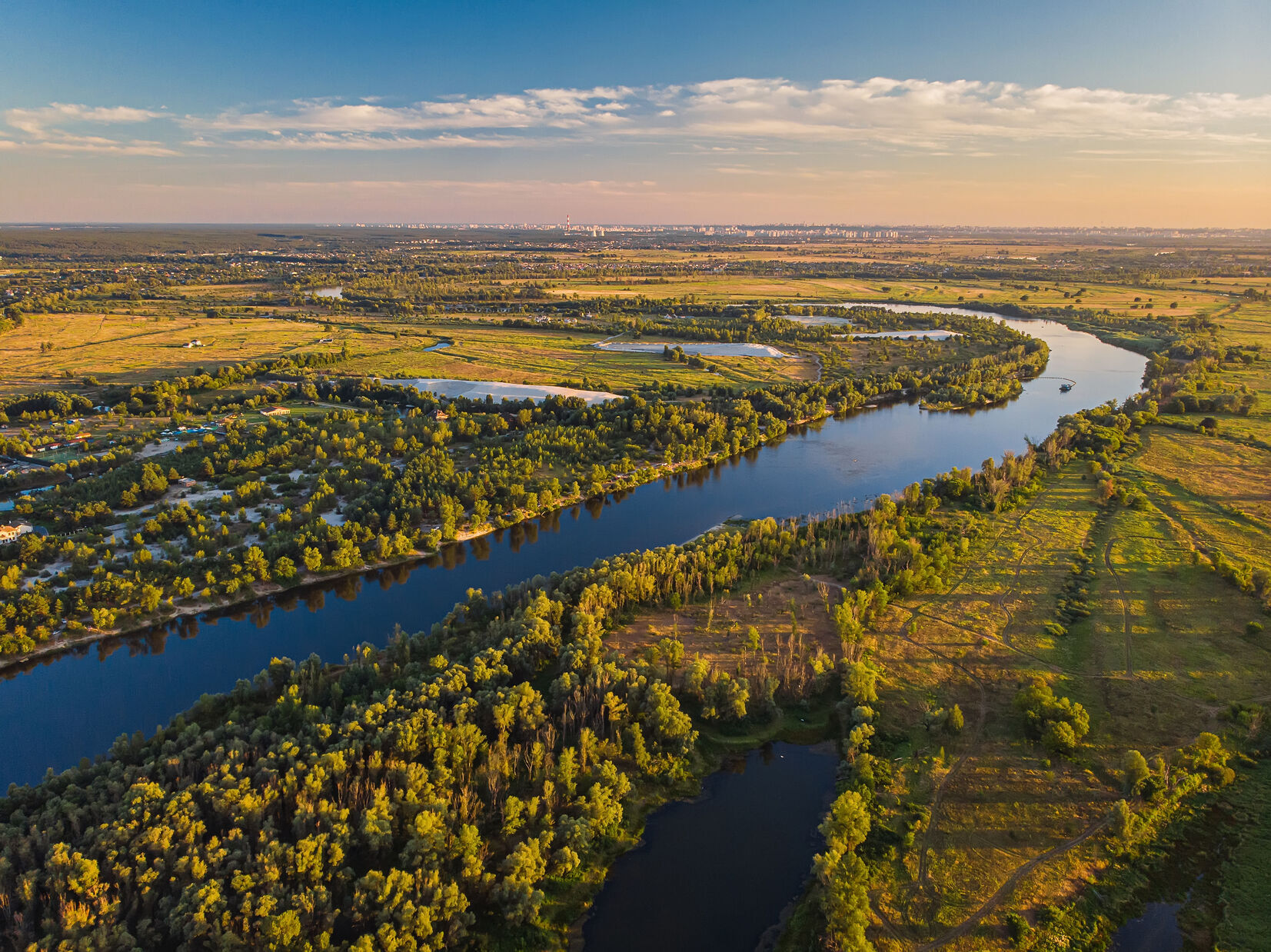
As rainfall increases, much of the Pantanal becomes submerged. Rivers overflow, lagoons form, and the landscape turns into an immense wetland system. This natural phenomenon revitalizes flora and fauna, creating an extremely productive environment for biodiversity.
It is during this time that the Pantanal reveals its true essence: the largest tropical wetland on Earth.
Receding waters — April to June
As the rains subside, water levels gradually decrease. Isolated lagoons and pools form,
concentrating large quantities of fish — attracting numerous waterbirds and predators. Temperatures become milder, and clear nights reveal some of the most star-filled skies in Brazil.
Dry season — July to November
During the dry season, lagoons shrink and the plain re-emerges. This phase facilitates land travel and concentrates wildlife around remaining water sources, creating exceptional conditions for animal observation.
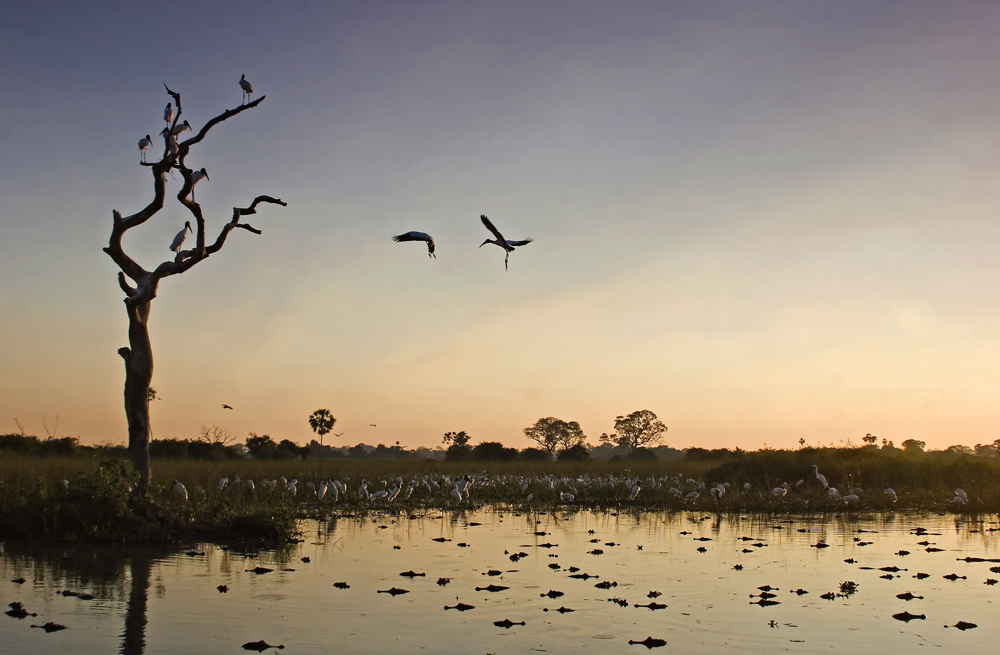
Mammals such as capybaras, tapirs, and marsh deer gather near rivers and bays, while
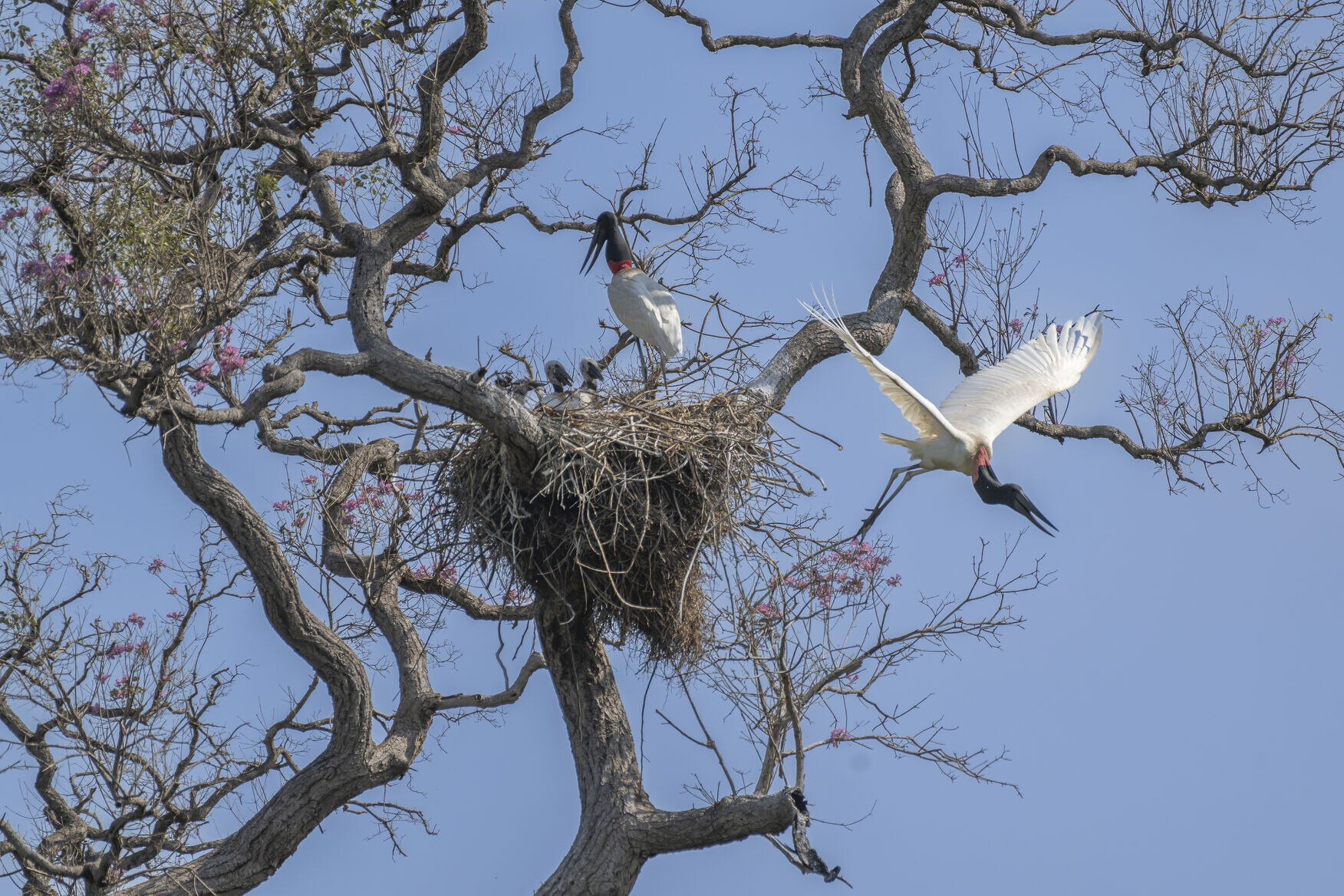
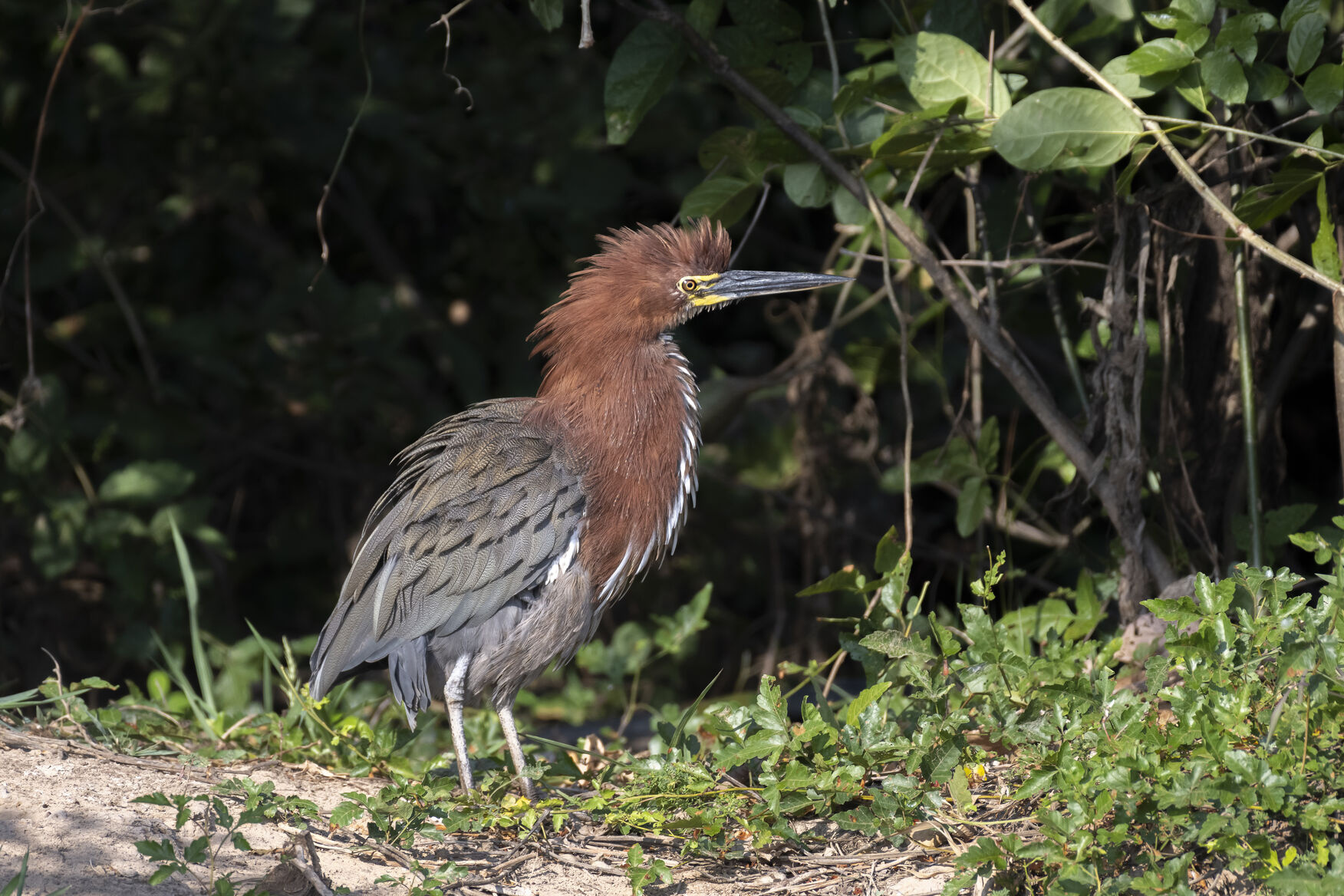
various species of storks, herons, and waterbirds begin nesting, taking advantage of the
abundance of food.
From August onward, many trees begin to bloom, adding vibrant colors to the landscape and preparing the scene for the next water cycle.
One of the greatest wildlife sanctuaries in the world
What truly makes the Pantanal unique is its remarkable concentration of wildlife.
The region is home to approximately:
• 650 bird species
• 80 mammal species
• 263 fish species
• more than 1,000 butterfly species
• as well as countless reptiles and amphibians
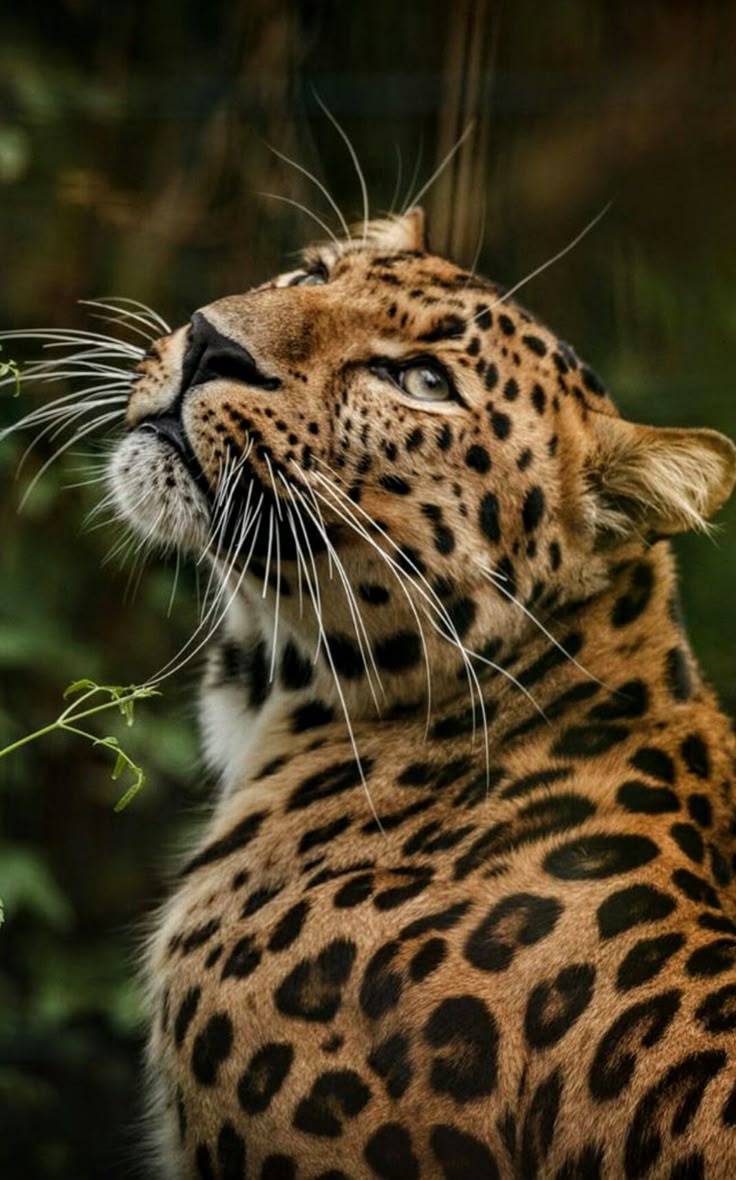
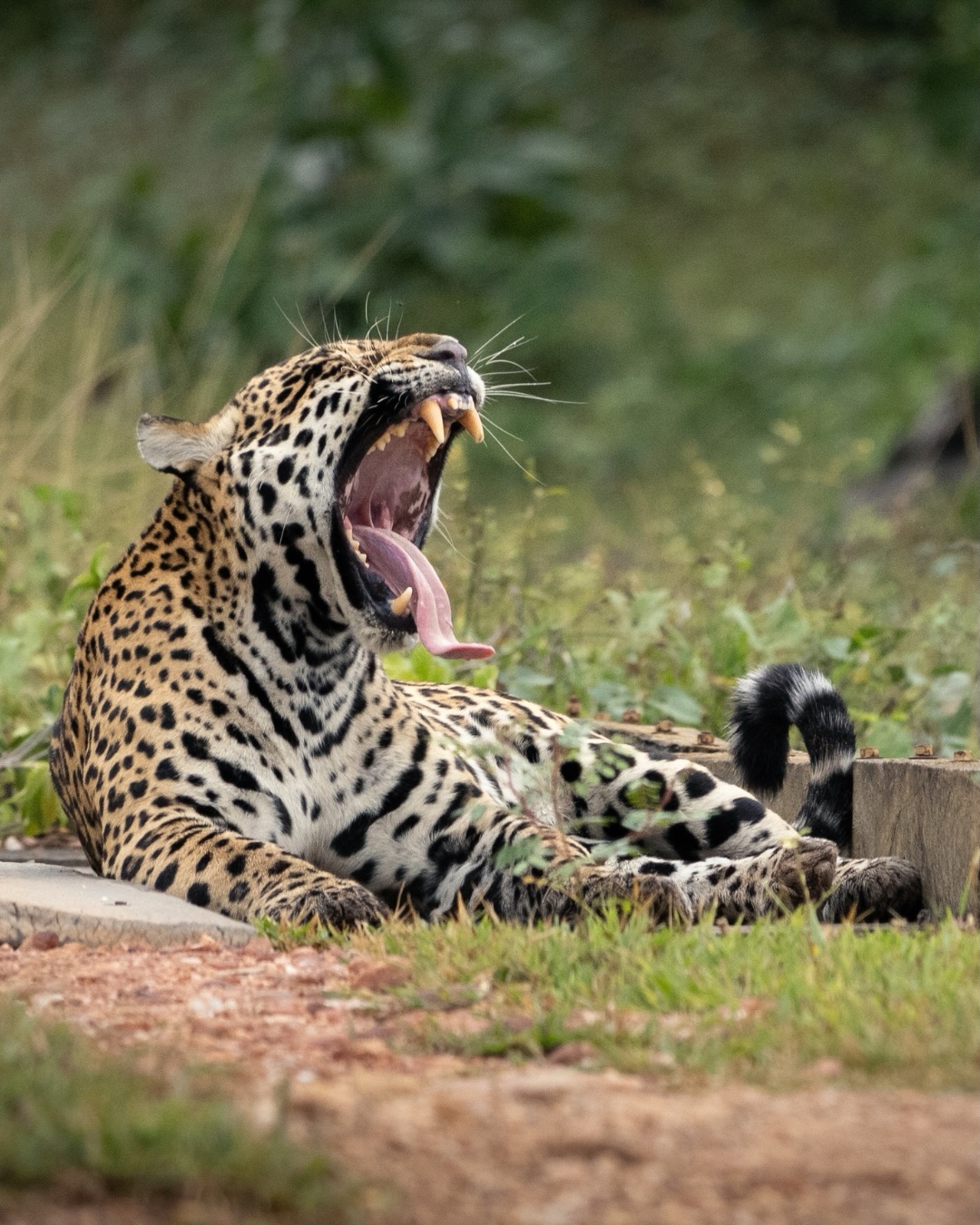
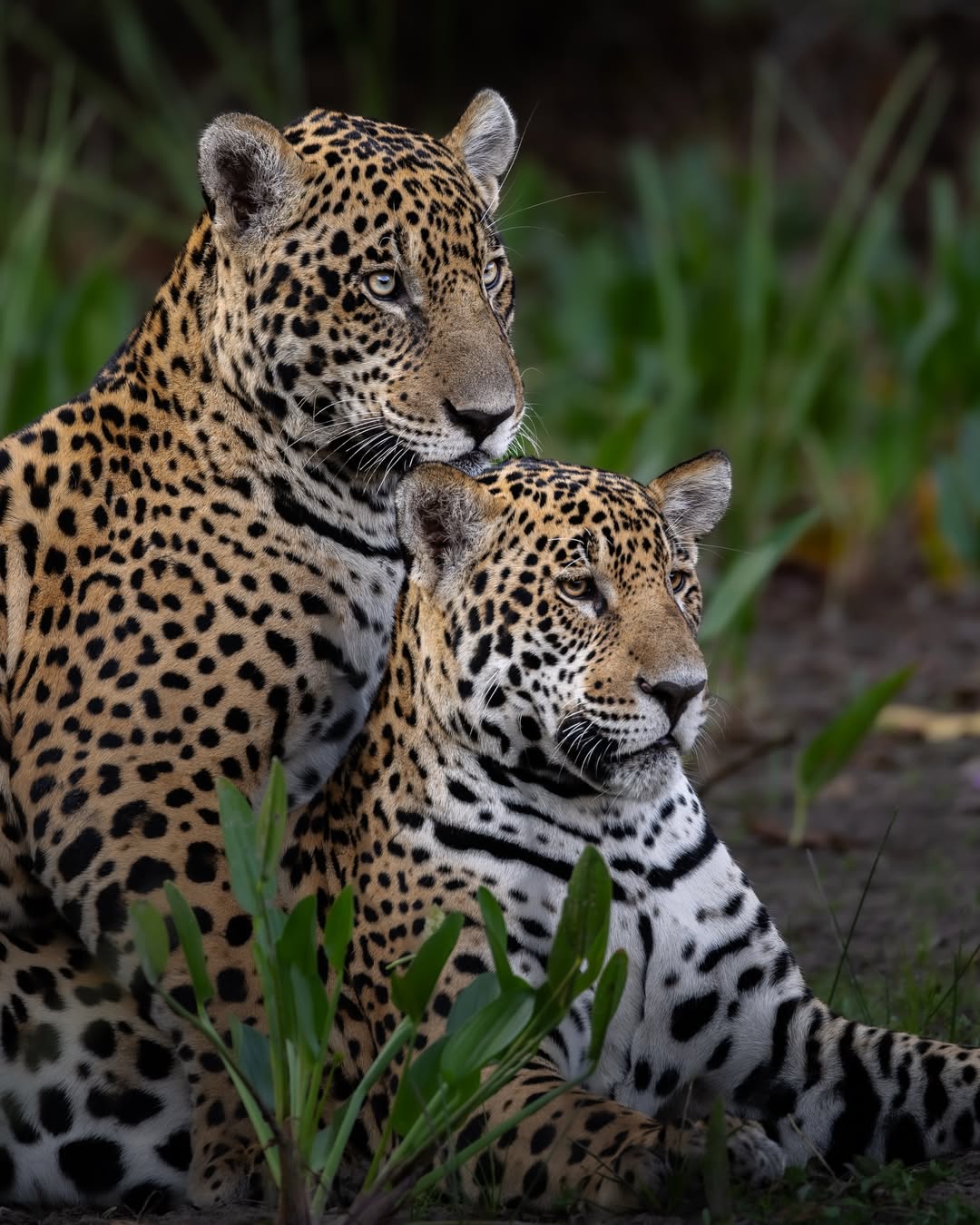
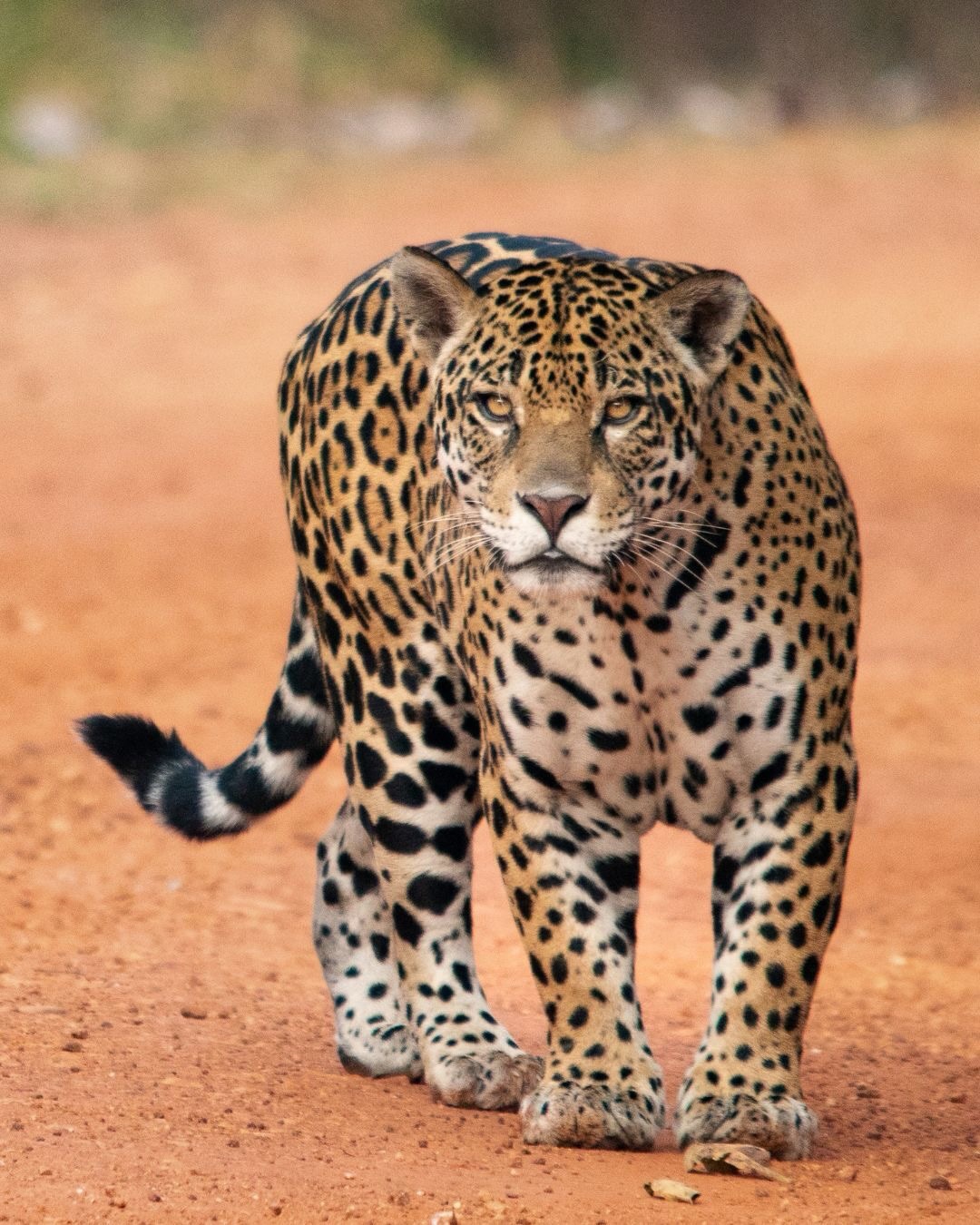
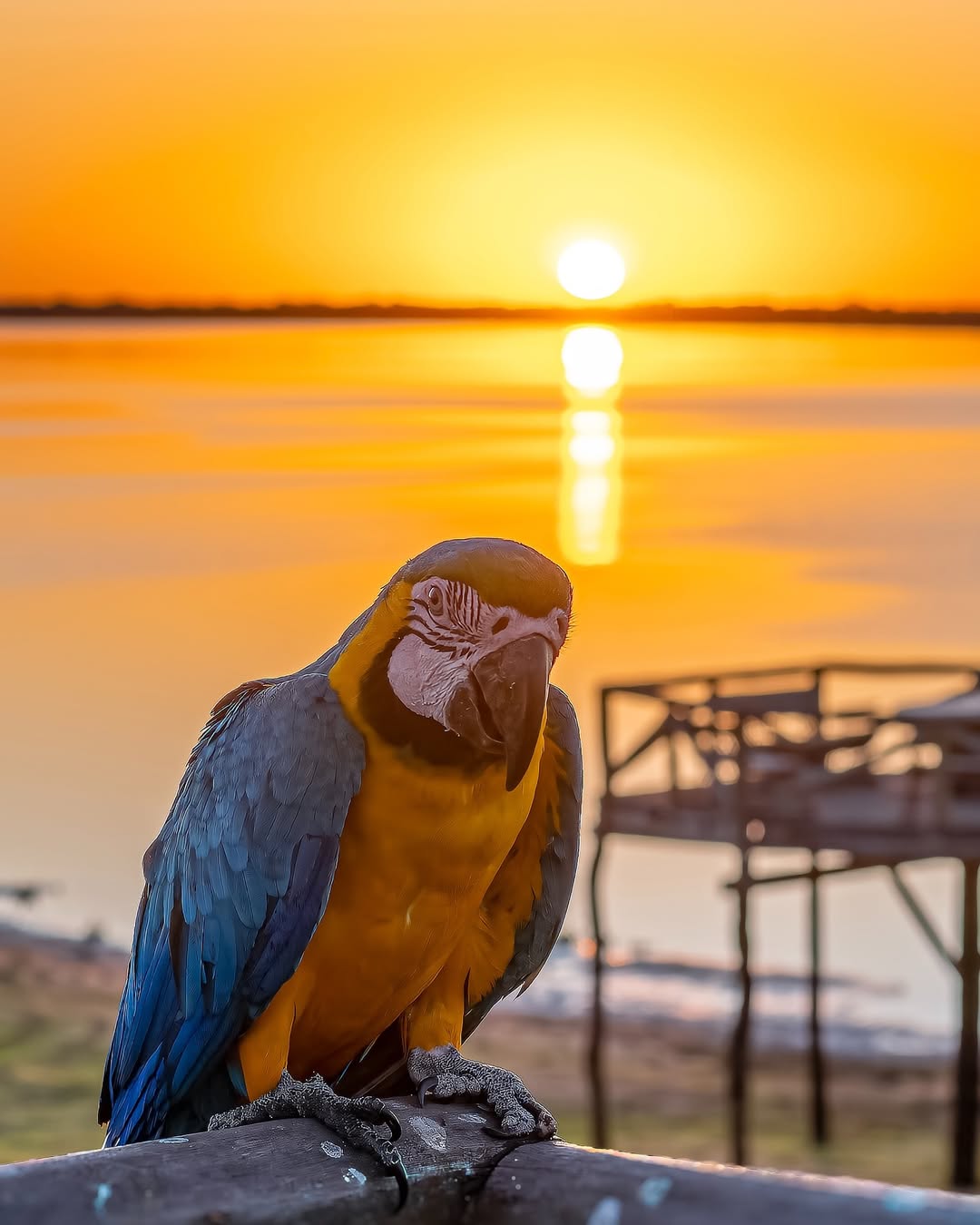
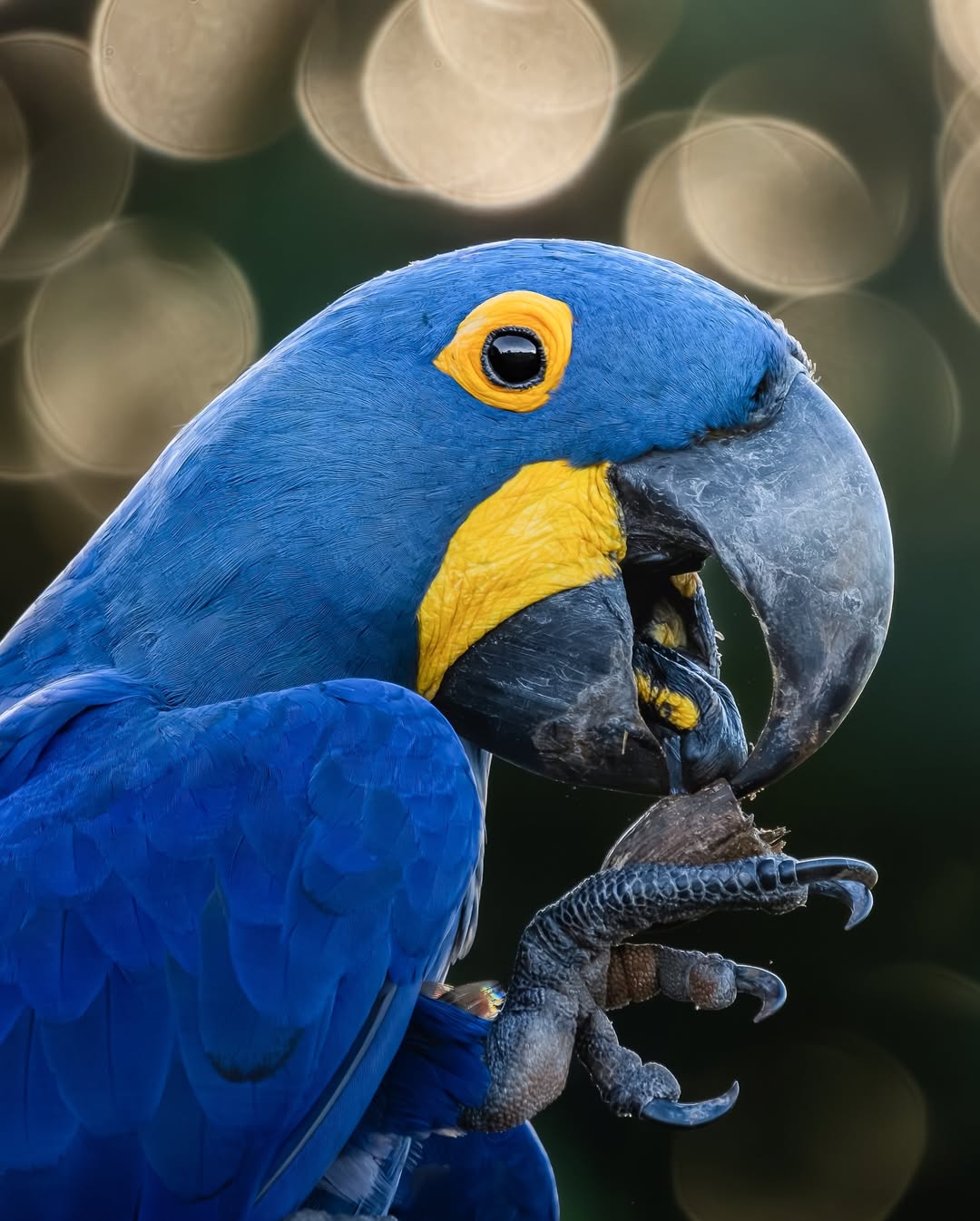
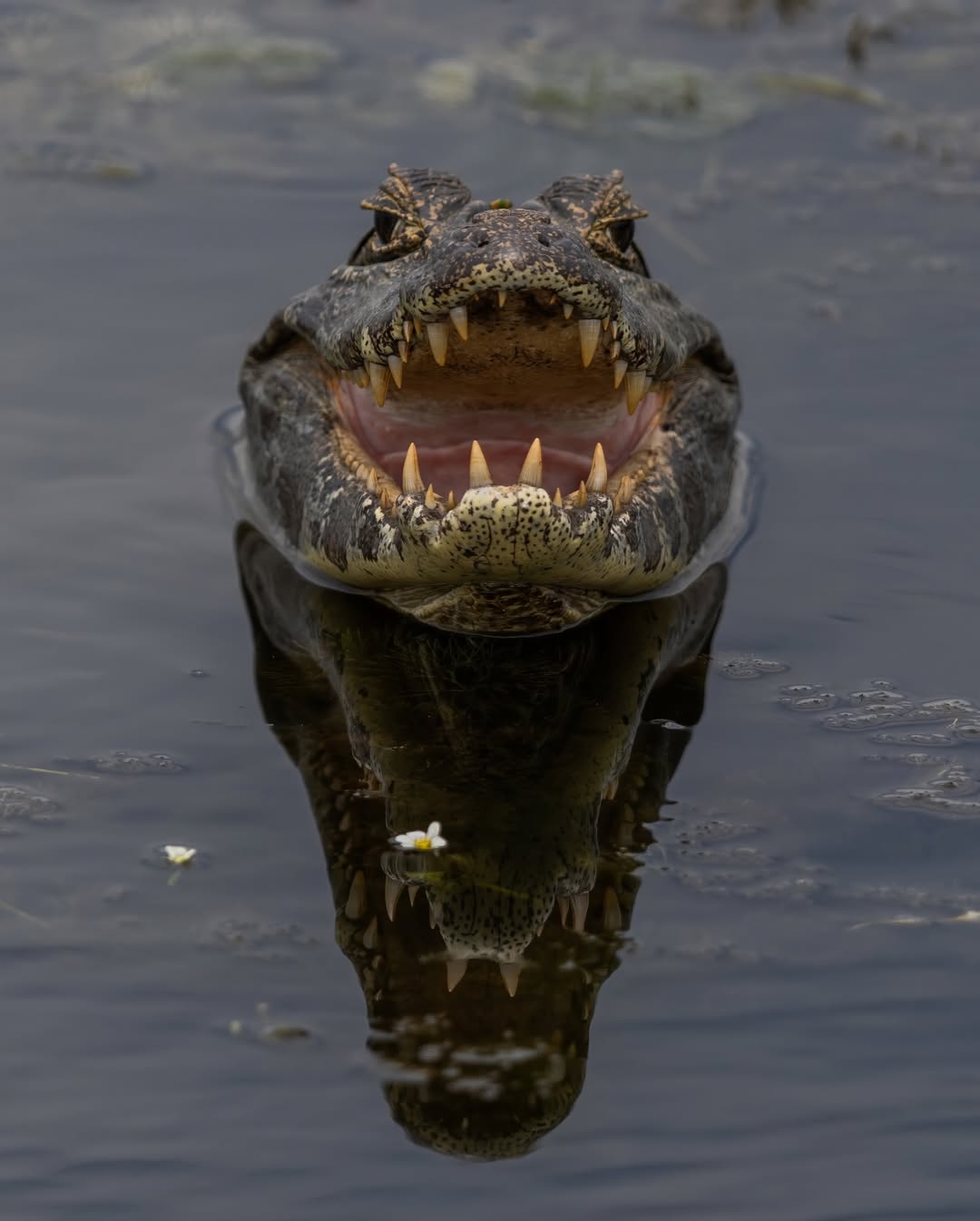
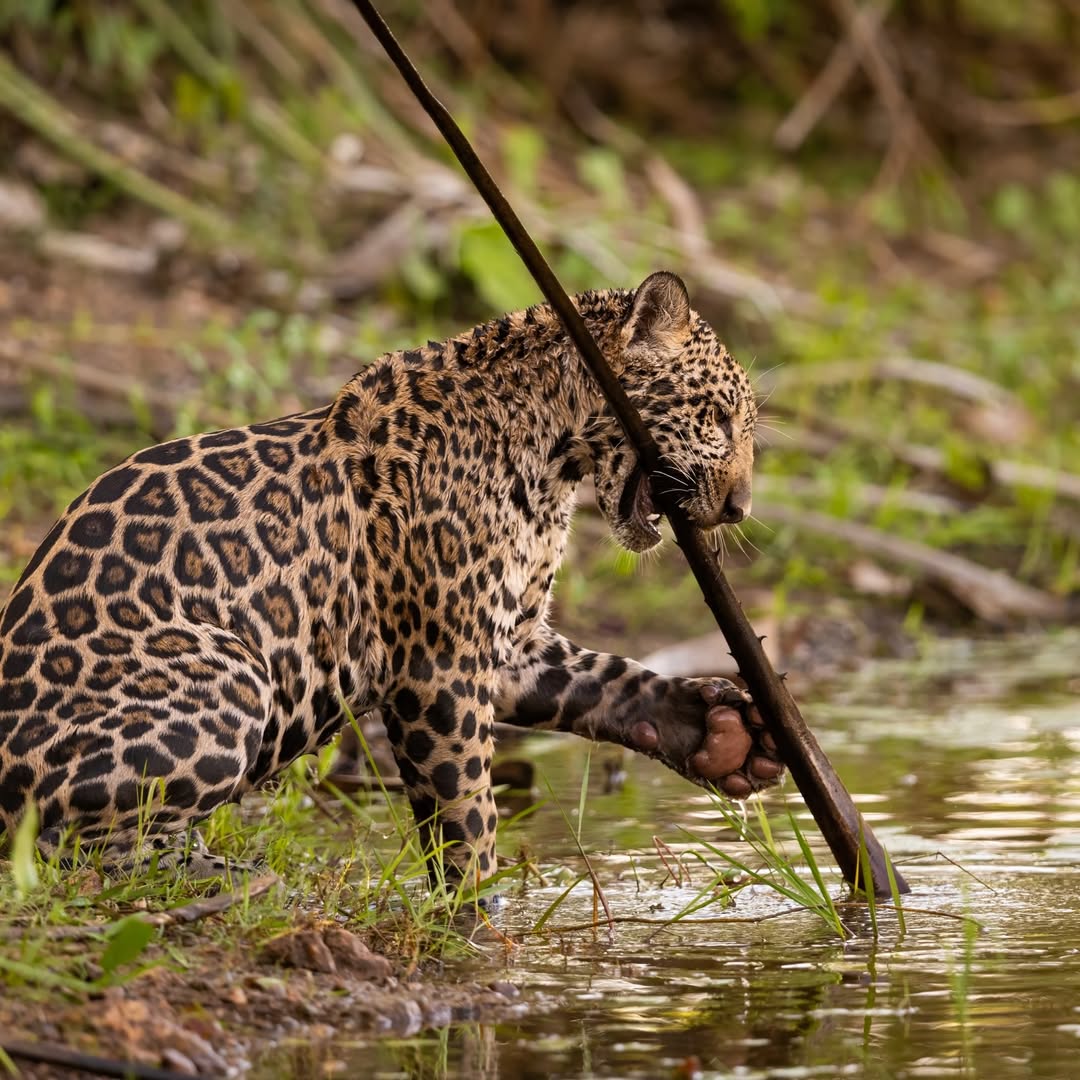
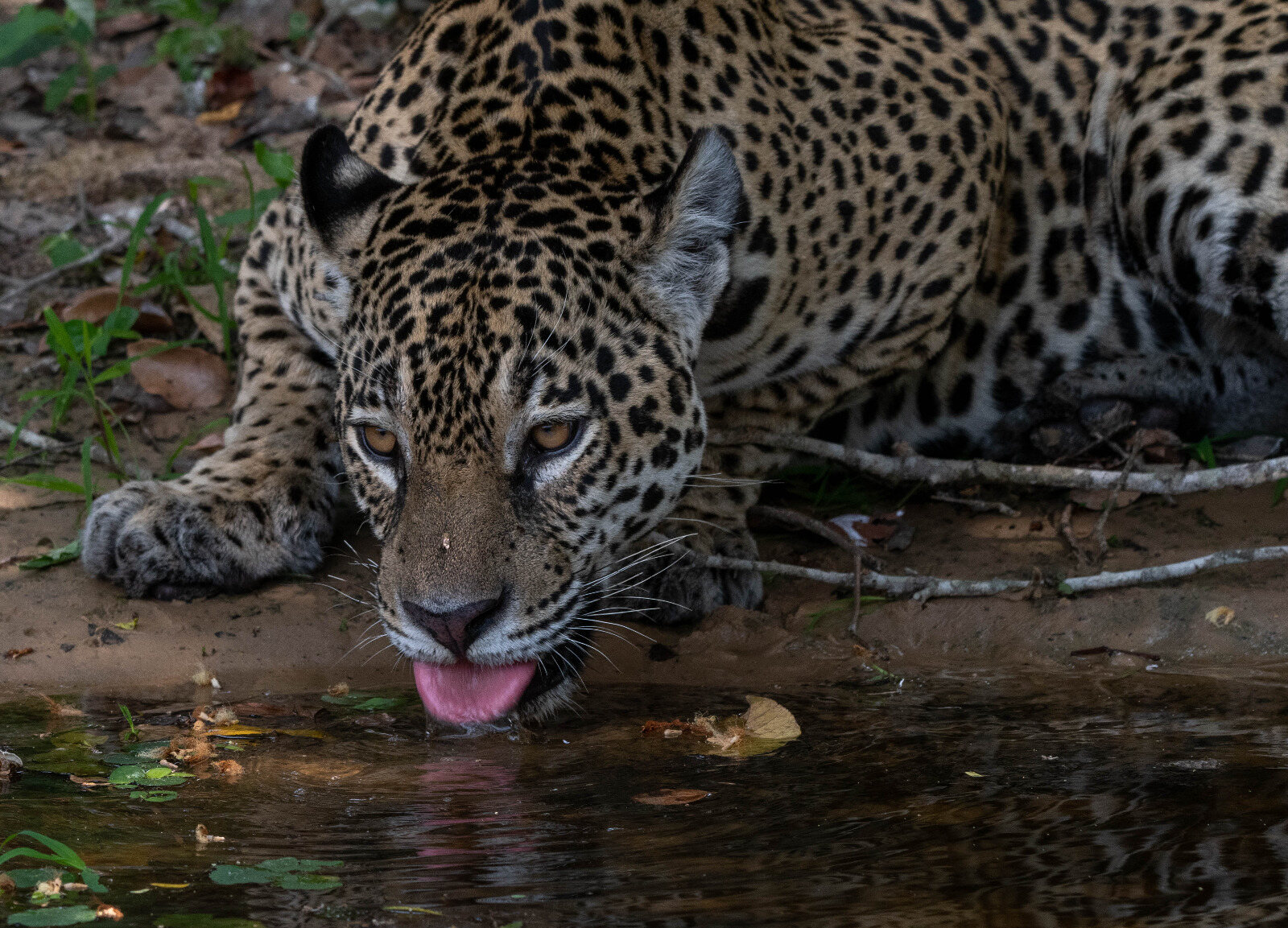
Among the most iconic animals are the jaguar — the largest feline in the Americas and a true symbol of the Pantanal — along with species such as hyacinth macaws, jabiru storks, giant otters, giant anteaters, caimans, and capybaras.
Thanks to the abundance of water, food, and well-preserved habitats, the Pantanal is considered one of the best places in the world for wildlife observation in a natural environment.
A mosaic of landscapes and vegetation
Pantanal vegetation reflects the influence of neighboring biomes, forming a true ecological mosaic. In higher areas, landscapes resemble the Cerrado and even the Caatinga, with species adapted to drier conditions.
Among the most characteristic plants are palm trees, fig trees, aroeiras, orchids, and flowering trees such as the piúvas — relatives of the ipê — which color the Pantanal with vibrant tones during part of the year.
In lower areas, natural grasslands dominate, supporting local wildlife and forming part of the traditional Pantanal culture linked to extensive cattle ranching.
Ecotourism and conservation
In recent decades, the Pantanal has become one of the most important destinations in the world for ecotourism and wildlife observation.
The presence of preserved natural areas, combined with the high concentration of animals, allows for authentic encounters with nature — always respecting wildlife behavior and the ecological cycles of the biome.
Exploring the Pantanal is much more than visiting a destination.
It is immersing yourself in one of the most extraordinary natural environments on Earth.