
-
(65) 9924-39173
-
-
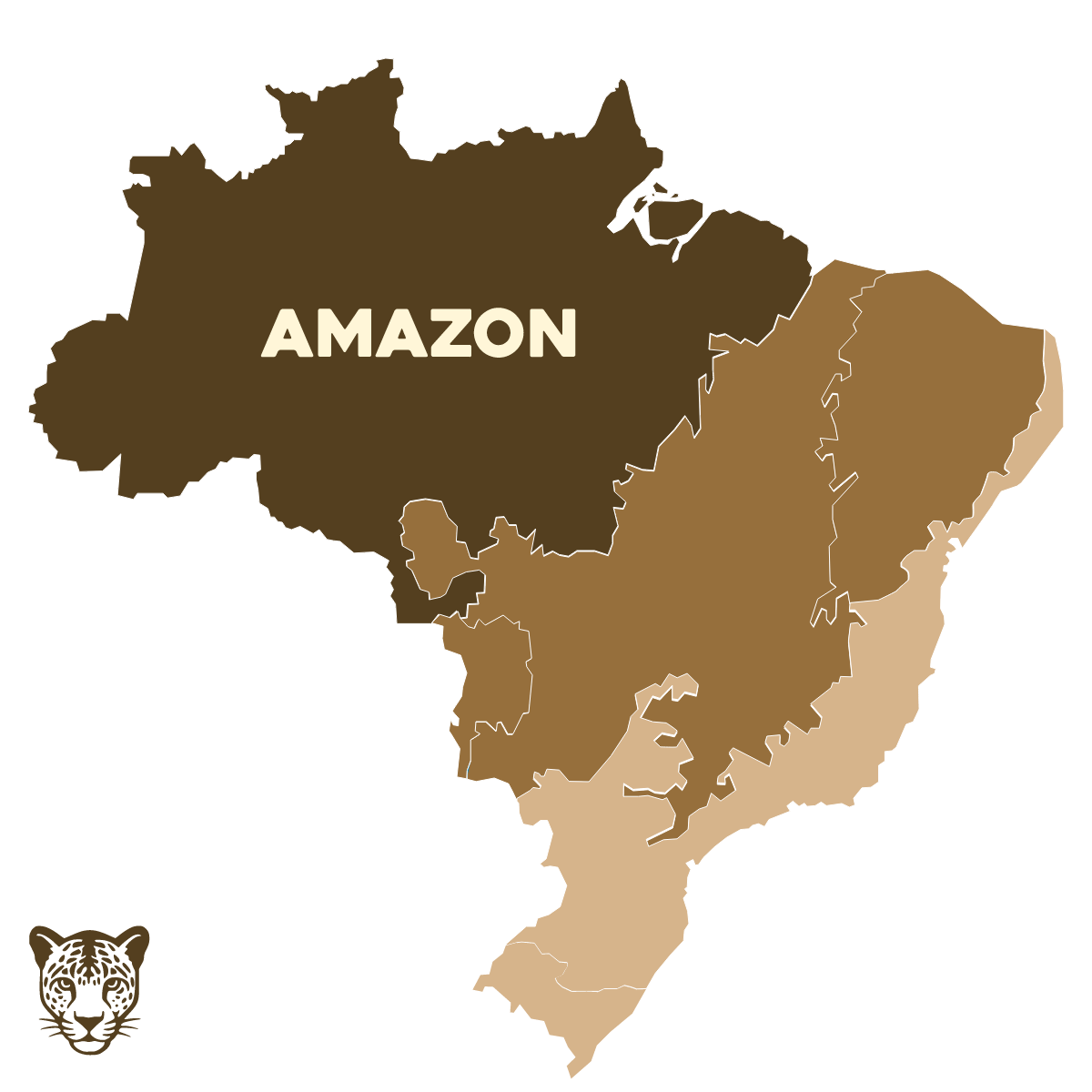
The Amazon is the largest tropical forest system on the planet and one of the
most important ecosystems on Earth.
Spanning approximately 6.7 million km2, this vast region covers much of the Amazon Basin and extends across nine South American countries, with Brazil accounting for about 60% of the entire forest.
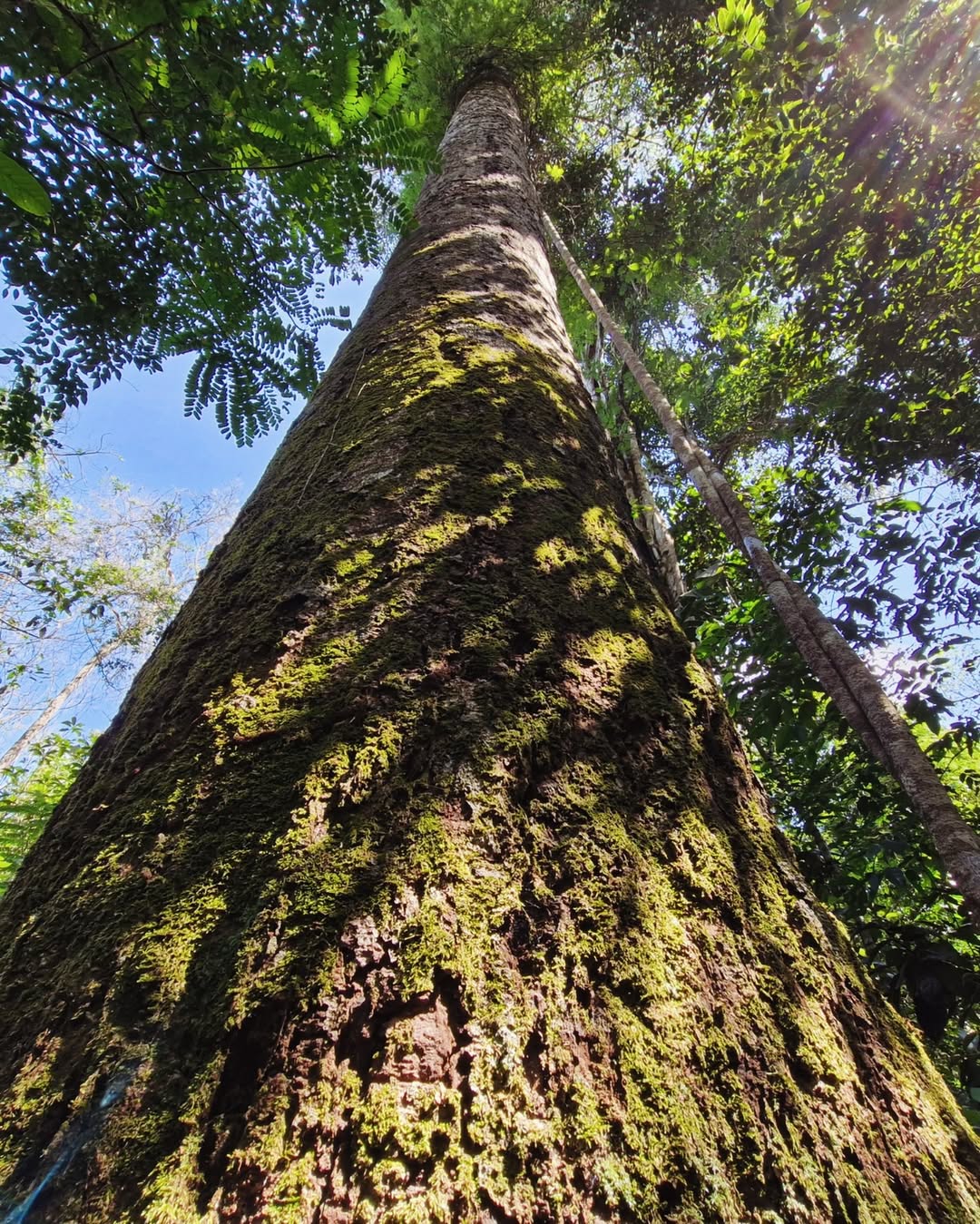
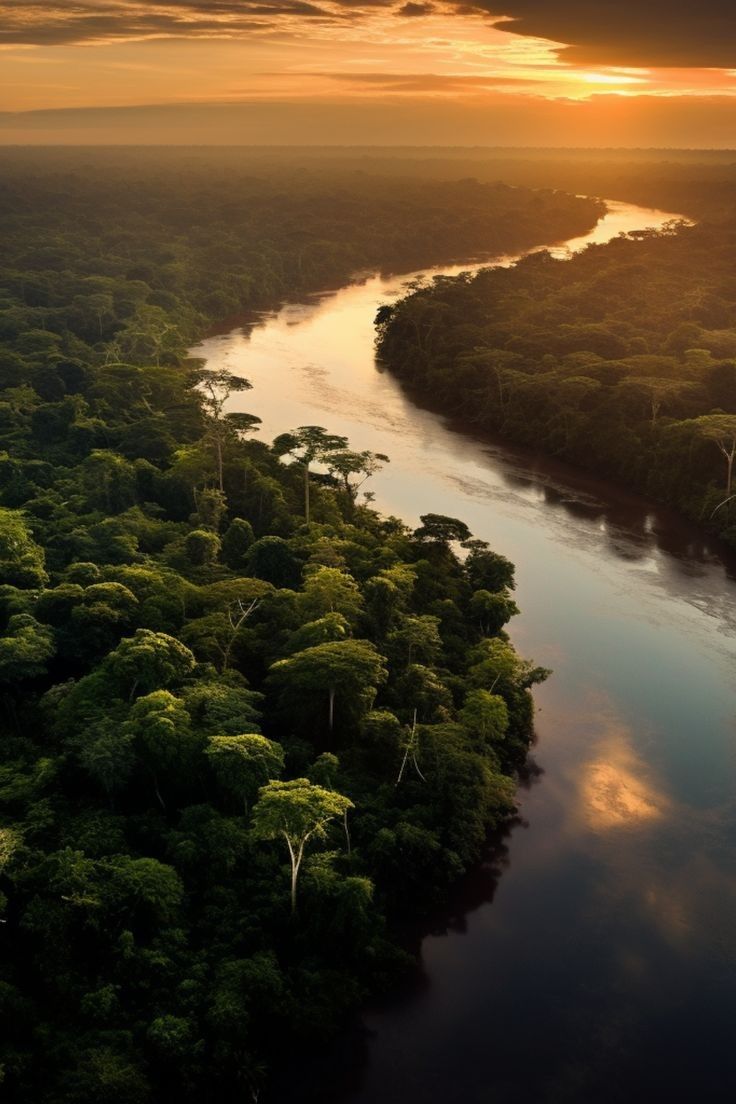
Far more than a vast stretch of forest, the Amazon is a complex mosaic of rivers, dense forests, floodplains, and interconnected ecosystems that sustain unparalleled biodiversity.
Considered the largest continuous tropical forest on the planet, the Amazon is home to around 10% of all known species on Earth, playing a crucial role in maintaining global ecological balance.
The largest tropical forest in the world
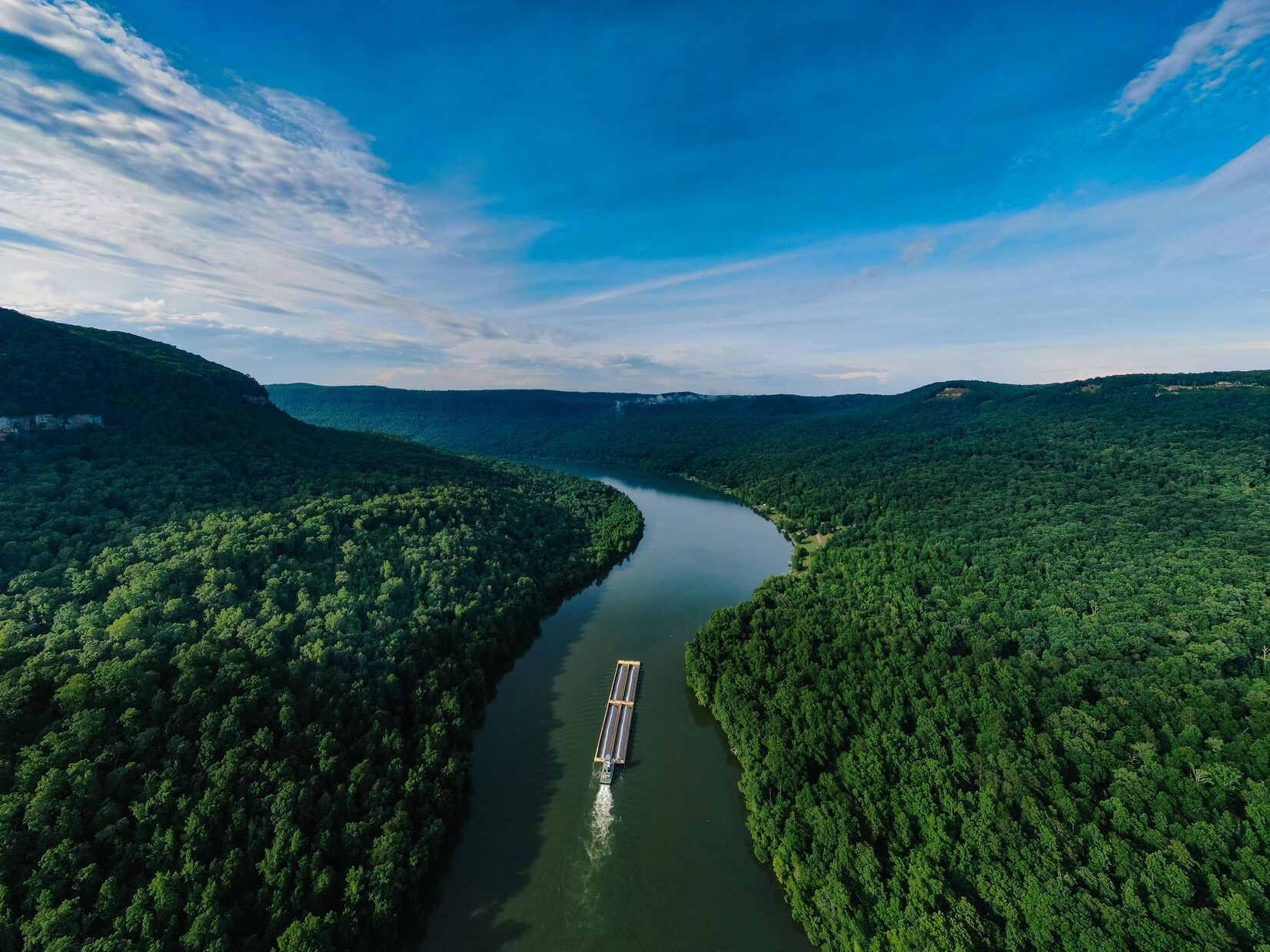
The Amazon Basin covers nearly 40% of South America and contains one of the most extensive river systems on the planet, dominated by the majestic Amazon River, which flows for more than 6,600 kilometers from the Andes to the Atlantic Ocean.
This immense river system carries approximately 15% of all freshwater flowing into the world’s oceans, making the region essential for the global water cycle and planetary climate stability.
The forest also acts as a massive climate regulator. Its trees store billions of tons of carbon and help maintain rainfall patterns across much of South America.
Extraordinary biodiversity
Few places on Earth display biological diversity as impressive as the Amazon.
The region is home to:
• more than 40,000 plant species
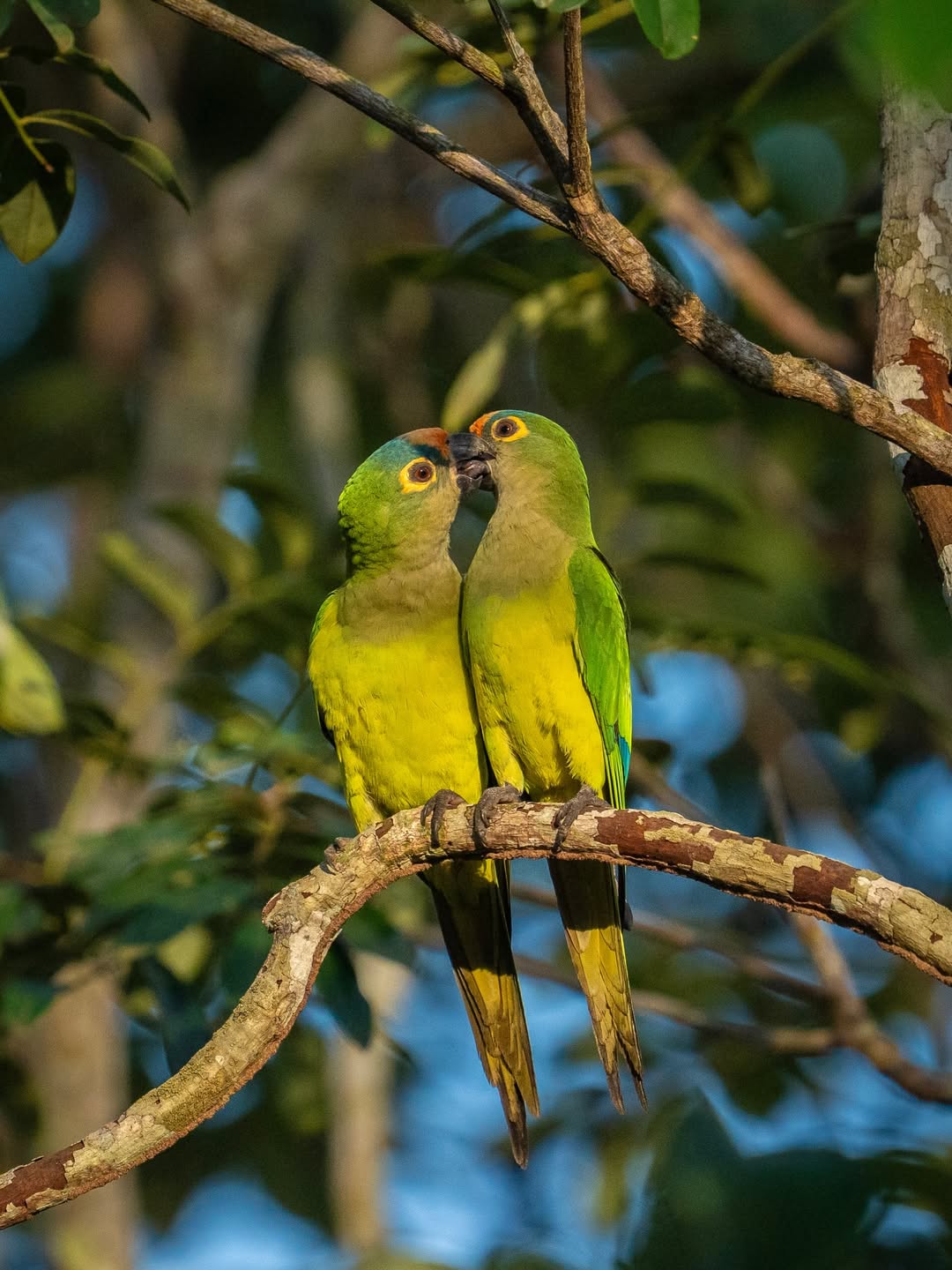
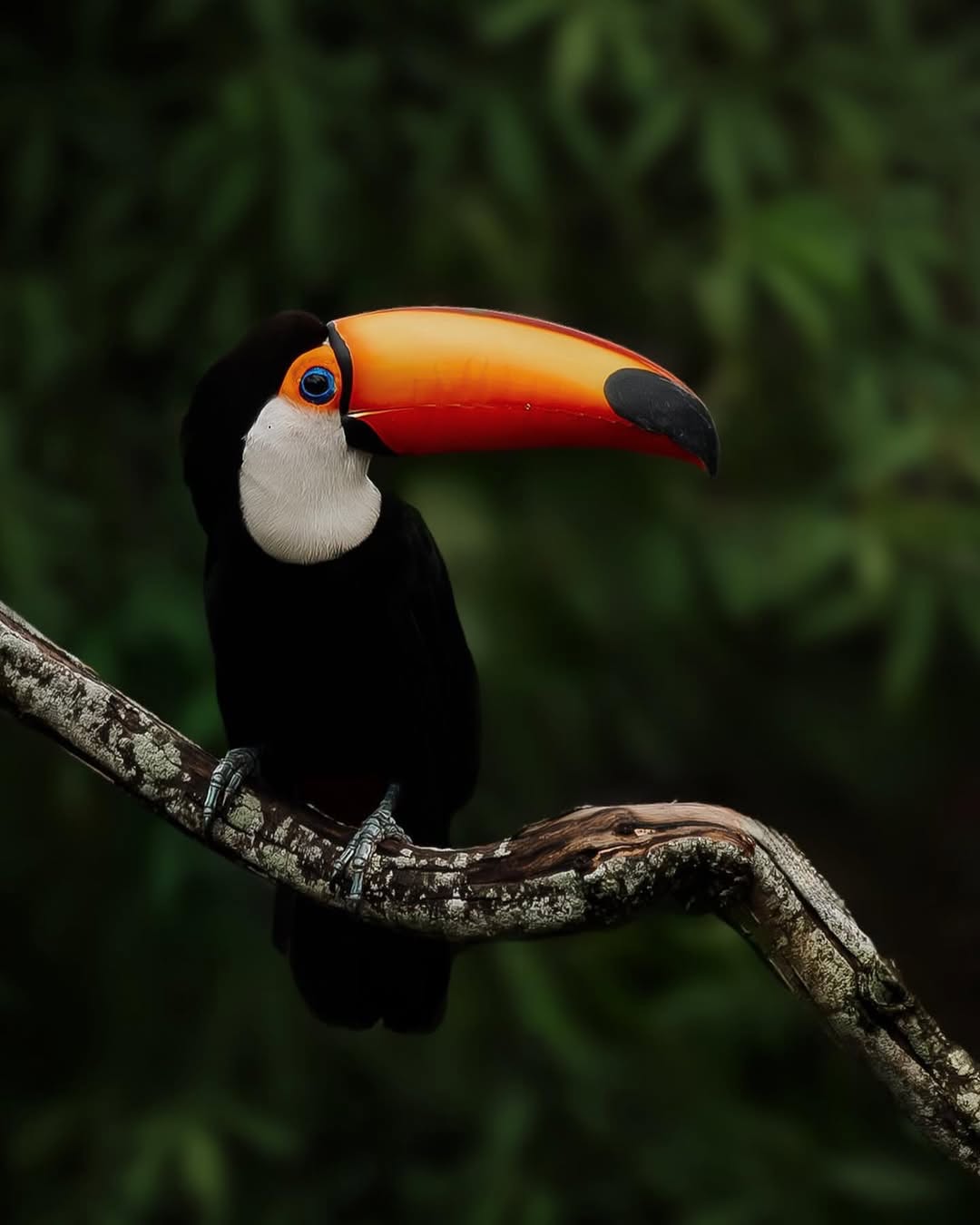
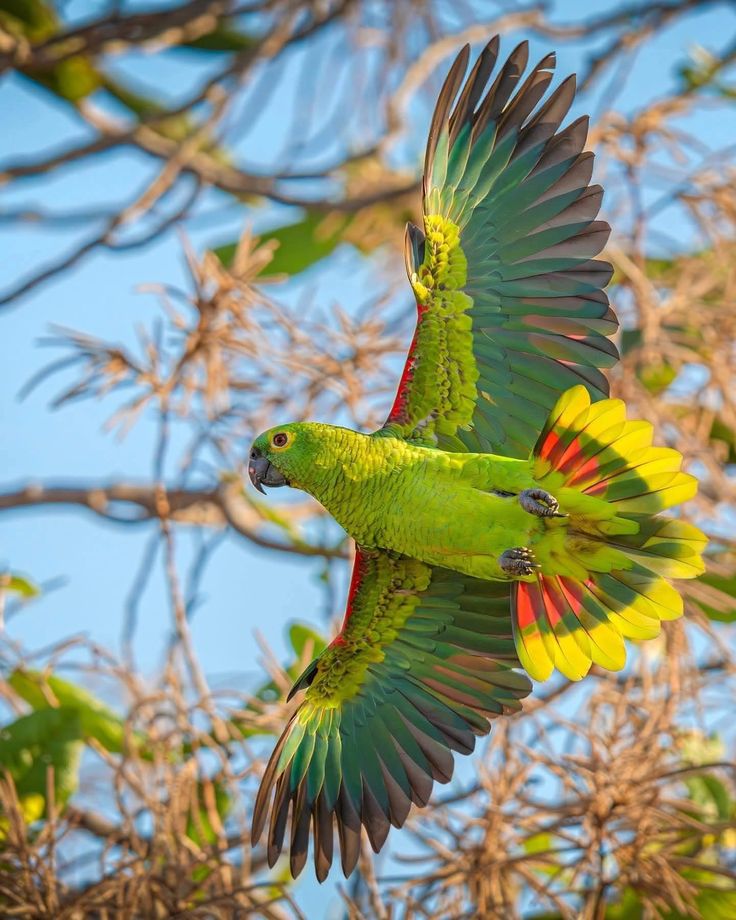
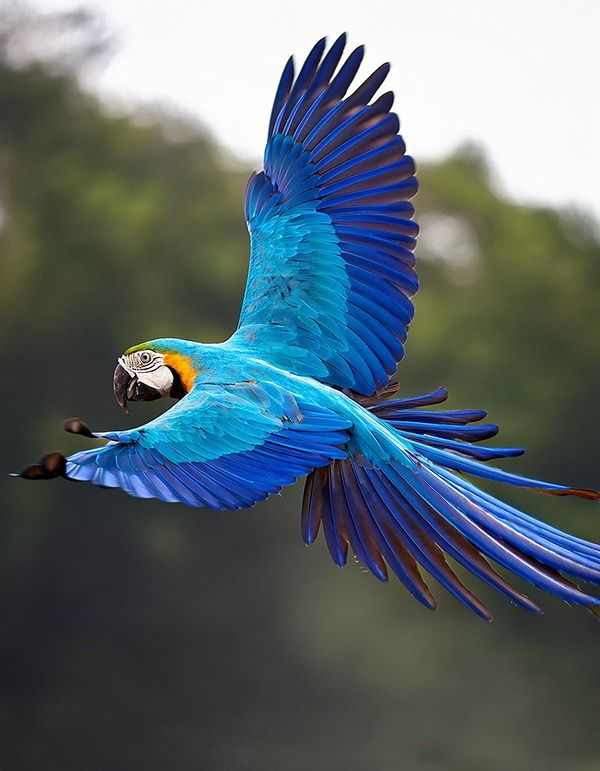
• around 1,300 bird species
• thousands of freshwater fish species
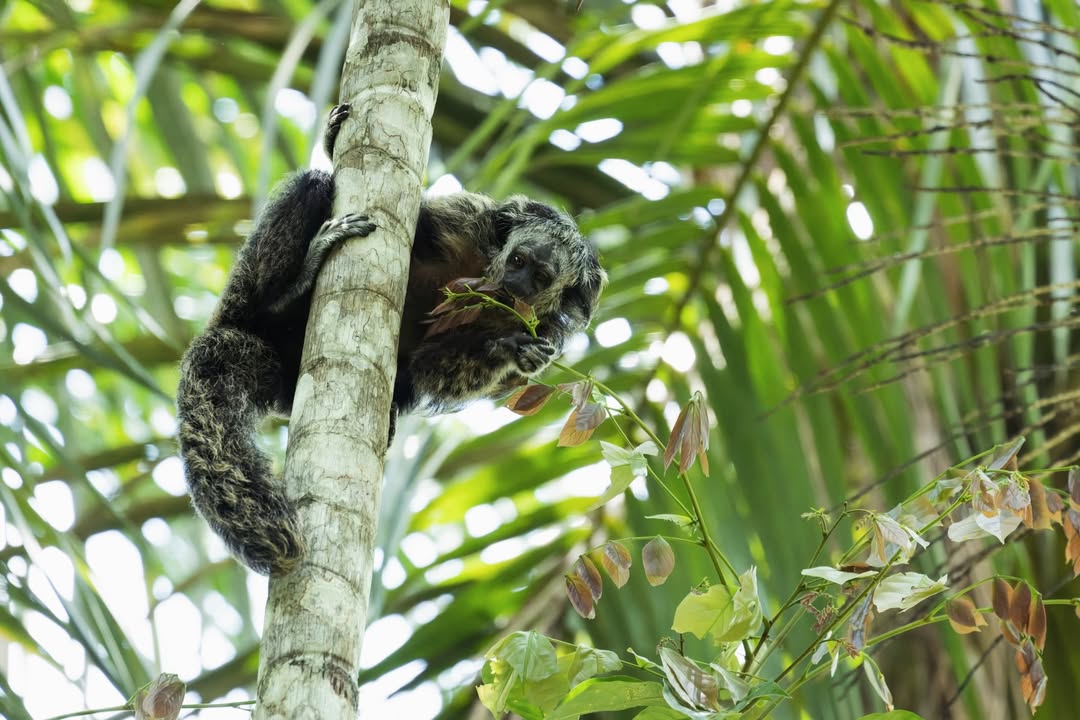
• hundreds of mammals, reptiles, and amphibians
• millions of insect species, many still poorly studied by science
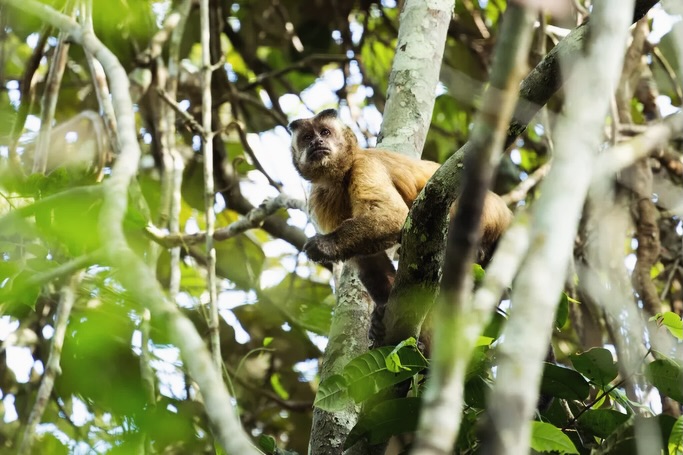
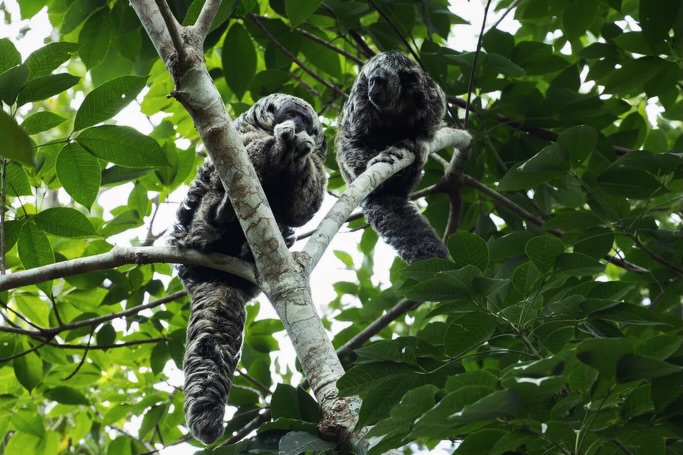
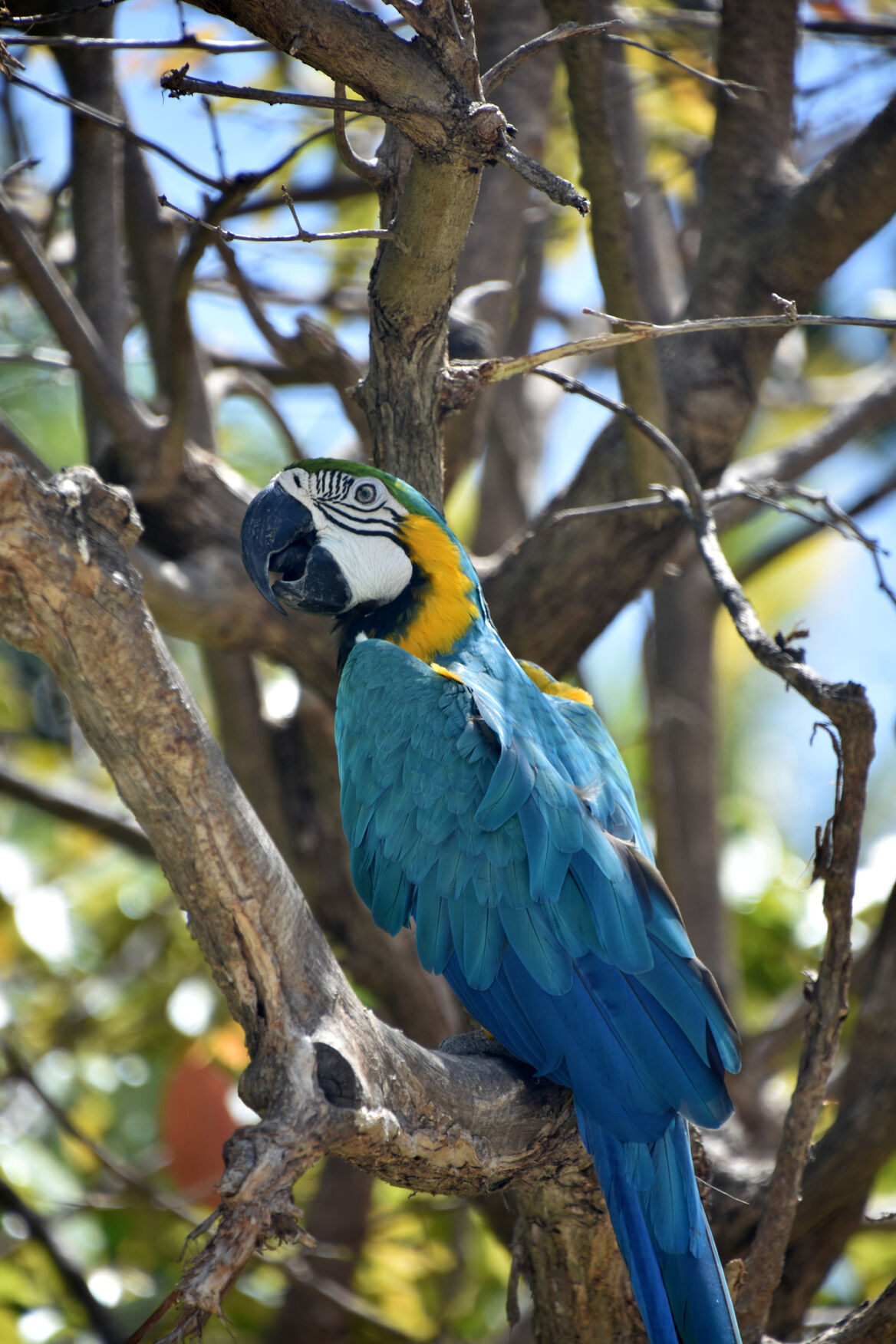
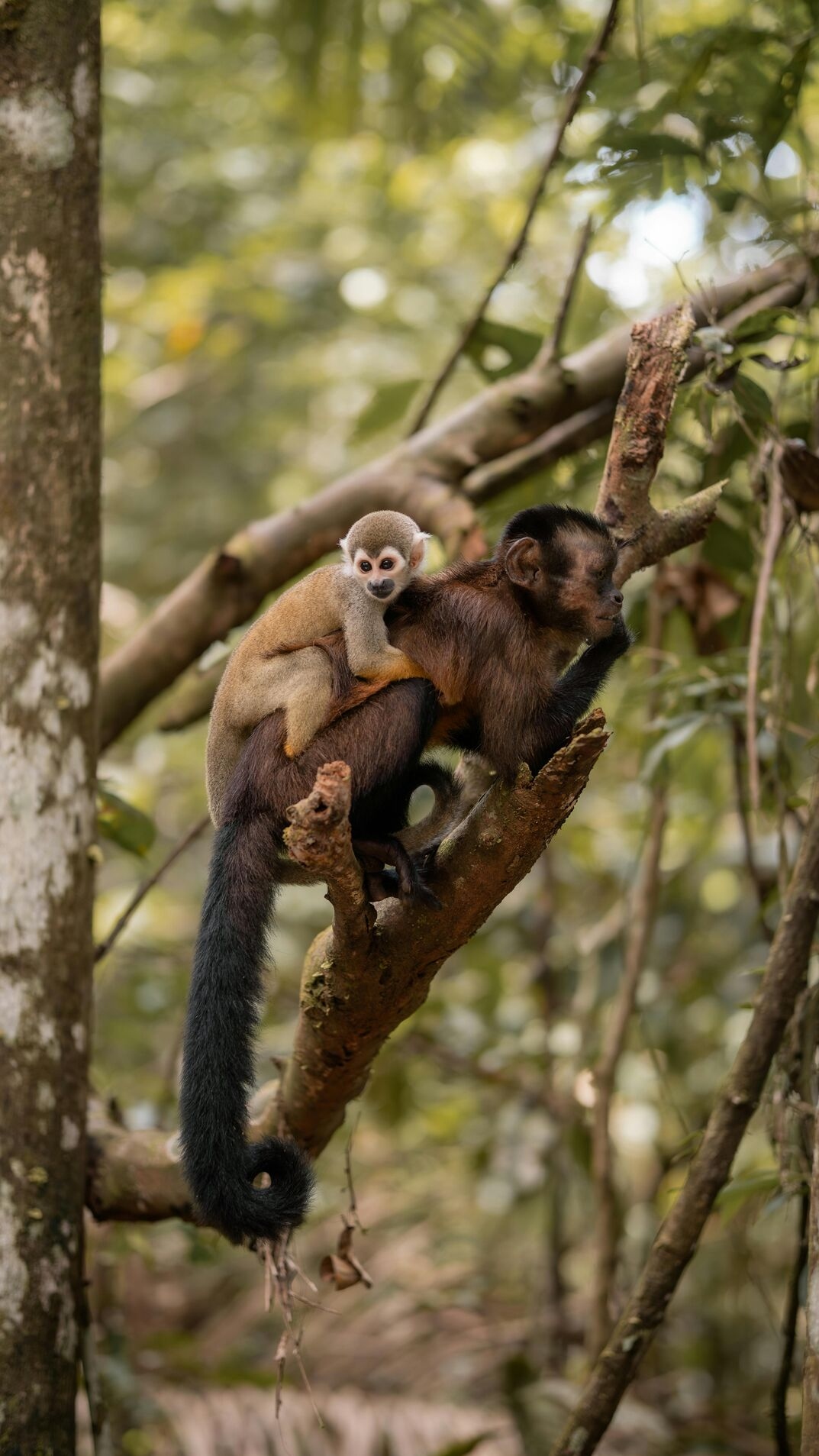
Among the most iconic animals are the harpy eagle — the most powerful bird of prey in the Americas — along with various species of monkeys, sloths, river dolphins, caimans, and an incredible variety of tropical birds.
The Amazon also shelters countless species still unknown to science, with new discoveries being recorded regularly.
Forests, rivers, and unique landscapes
Although often imagined as a uniform forest, the Amazon is made up of a variety of
natural environments.
These include:
• Terra firme forests, which never flood
• Várzea forests, seasonally flooded by rivers
• Igapó forests, permanently flooded areas
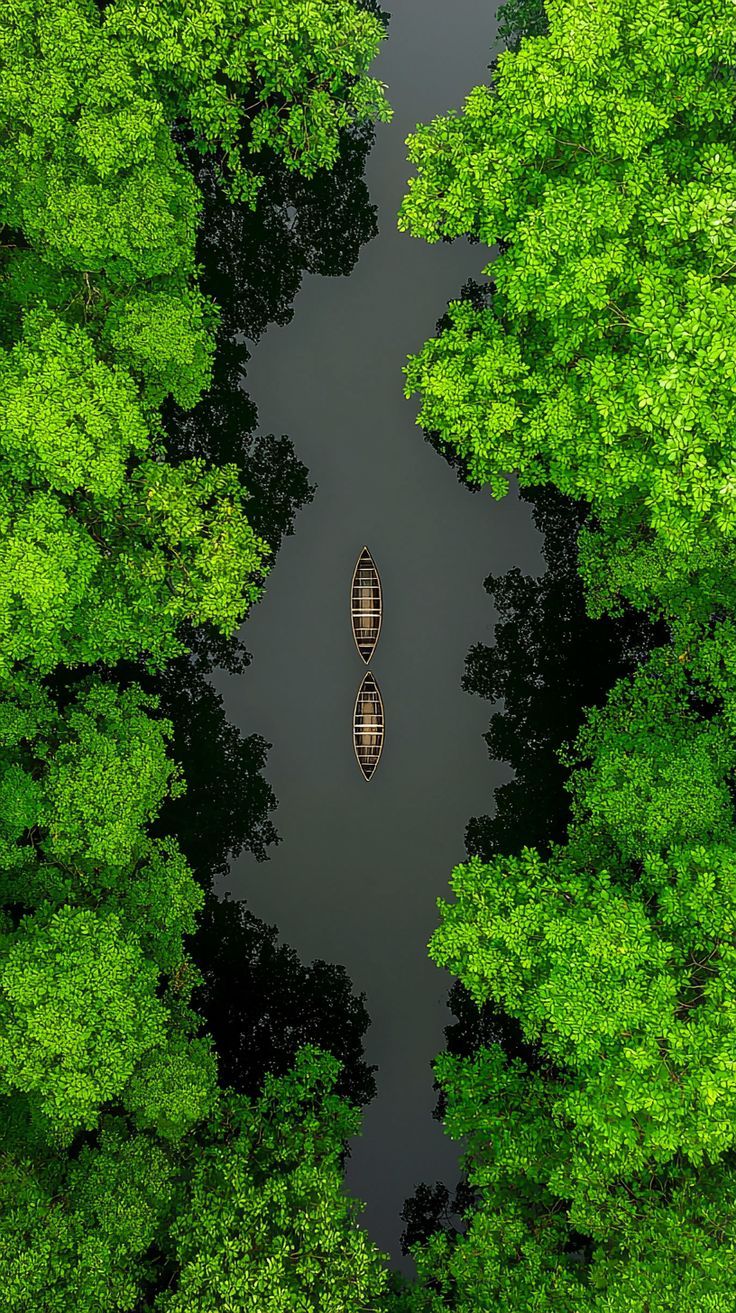
• Rivers, streams, and lakes forming a vast aquatic network
This diversity of habitats supports an extraordinary range of species and creates
unique natural settings for wildlife observation and exploration.
A land of cultural diversity
Beyond its natural richness, the Amazon is also home to remarkable cultural diversity.
More than 30 million people live in the region, including around 350 Indigenous groups, many of whom maintain traditions and knowledge deeply connected to the forest.
These communities play a vital role in protecting Amazonian ecosystems and preserving traditional knowledge about nature.
Ecotourism and conservation
Exploring the Amazon means immersing yourself in one of the most fascinating natural environments on Earth.
Wildlife observation, river expeditions, forest hikes, and encounters with largely untouched landscapes make the region a unique destination for nature tourism and biodiversity-focused experiences.
When conducted responsibly, ecotourism becomes a powerful tool for conservation — promoting forest protection, supporting local communities, and reinforcing the global importance of this natural heritage.